የድር ድርጅት እንዴት ይረጋገጥ በመሠረታዊ ደረጃ ውስጥ ይለዋወጣል
የድር አድራሻ እንዴት ይመለከታሉ በአስቀድሞ፣ የግል እና ኃይለኛ ዘዴዎች ጋር ይማሩ። መመሪያችን ከፈጣን መረጃ እስከ የማህበረሰብ ዘዴዎች ድረስ ሁሉንም ይሸፍን።
የተመነጨ ማስተካከያዎች

ስለዚህ፣ የድሜይን ስም አለግጋገር ማረጋገጥ ይፈልጋሉ። በፍጥነት የሚሆንው መንገድ ብዙ ጊዜ የ註冊 ቦታ ፈላጊ አሞክ በማስገባት ነው፣ ግን እንደ እኔ ፍጥነትን ያከብሩ ከሆኑ፣ ShiftShift Extensions የድሜይን ቻኩ እንደ በሳይት ውስጥ የሚሆን መሳሪያ ተጨማሪ ጠቅታዎችን ሳይፈልግ ወዲያውኑ ውጤቶችን ይሰጣችሁ። ይህ መመሪያ ከቀላል ፈለጋ እስከ ልዩ የድሜይን ማግኘት የተሻለ መርሆዎች ድርስ በዚህ ዘዴና በተለያዩ ሌሎች መንገዶች ያስተምራችሁ።
ትክክለኛውን የድሜይን ስም ማግኘት ስም ብቻ ሳይሆን ለምንድነው
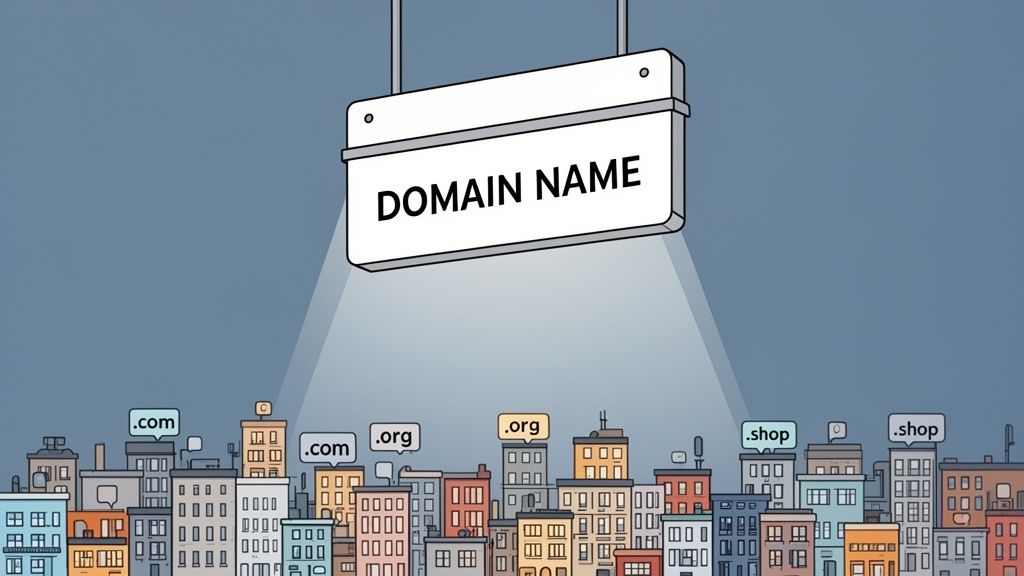
ዌብሳይቶች ያሉበት ውቅያኖስ ውስጥ፣ የድොሜይን ስም የእርስዎ ዴජິታል ግንኙነት ነው። ይህ ለመልካም ብራንድዎ በመስመር ላይ ያለው መሠረታዊ ጎንደሪ ነው—የእርስዎ ልዩ የኢንተርኔት መሬት ንብረት። ግን ተስፋ ባይደረግም ያህል ጥሩ ስም ማግኘት እና ማስመዝገብ በየቀኑ ከባድ እየሆነ መጥቷል፣ ይህም በመስመር ላይ ሌት ማንኛውም ሰው ለሚሰራው ሥራ ከፍተኛ ያለው አቅም
ነው።ይህ መመሪያ የመነሻ ፈለጋን ባለፈ ይሄዳል። ወዲያውኑ ተጨማሪ መሣሪያዎች እስከ የመጀመሪያ ምርጫ ቀደም ቢዞት ሲሆን ለሚፈልጉት ላቀኑ ፍልስፍናቸውን ሙሉ በሙሉ ያቀባርባለን። ዋናው ዓላማ ፈጣን ለመሆን እና ብልጽግና ያላቸው ውሳኔዎችን ለማድረግ የሚያስፈልግዎን አቅም ማስተማር ነው።
የድೋሜይኖች እየጨመረ ያለው እጥረት
ለጥሩ፣ ማህተም በሚያደርግ የድೋሜይን ስም ስለ ያለው ውድድር ጥልቅ ነው። በ2025 ዓ.ም ምንጭ የዓለም የድೋሜይን ምዝገባዎች ወደ 368.4 ሚሊዮን እድገት ቢያሳይ ቢሆንም፣ ይህ በአንድ ሩብ ዓመት ውስጥ የ2.2 ሚሊዮን ጥልቅ መጠን ነው። ይህን ለማስተዋል፣ በህጻር ባለው ሰው ላይ ከ22 ሰዎች አንድ ሰው ነው።
በልመና አይስጥም፣ ባህላዊ .com አሁንም ንጉሥ ነው፣ ለምዝገባዎች ከፍተኛው ክፍል የሆነ 157.2 ሚሊዮን ቆይቶ ይጠቃል። ተጨማሪ ቁጥሮችን በይህ የድೋሜይን ስም ስታቲስቲክ ሪፖርት ውስጥ ማረመር ይችላሉ፣ ግን የሚያብራሩት ነገር ግልጽ ነው፡ ጥሩ ስሞች ፈጣን እየሄዱ ነው።
የእርስዎ ግንባታ ስም ከአድራሻ በላይ የሆነ ነገር ነው፤ ዋና የብራንድ ንብረት ነው። በጣም ጥሩ ስም ታማኝነት ይሠራል፣ ለደንበሮች ማውሰድ ቀላል ነው፣ እና በፍለጋ ደረጃዎች ላይ የበለጠ ጥቅም ሊሰጥዎ ይችላል። በ/inet ላይ ስለ ንግድዎ ሰዎች የሚเหዉ እና የሚሰሙ የመጀመሪያ ነገር ነው።
ለዘመናዊ ፍላጎቶች ዘመናዊ መሣሪያዎች
ምንም እንኳን የግል ዕርከን፣ ቀልብ ብሎ የሚሠራ እንደ ShiftShift Extensions Domain Checker ያሉ መፍትሄዎችን እንጠቀማለን። ለምን? ምክንያቱም ዝግጅት የሚያስወግድ ስለሆነ። አዲስ ሀሳብ ሲኖርዎ በአጭር ጊዜ የዘዴ ግምብ ድረ-ገጽ ለመጓዝ በ temp ወይም በቀላል የመረጥ መሠረት ላይ ከፍተኛ ማጣቀሻ በፍጥነት ማረጋገጥ ይችላሉ። ይህ ወገን በቀላል የሆነ የስራ ፍላጎት በመሰብሰብ በማይቻል ፈጣን እና ታማኝ መልስ የሚፈልግ ለማንኛውም ሰው የሚቀይረው ነው።
ይህ ዘዴ ጊዜ ለመэкономия እና እንቅፋት ለማስወገድ ብቻ የተነሳ ነው። በተመሳሳይ መንገድ ለ QR code ለመፍጠር ያስፈልገን መመሪያ ውስጥ ያስተዋዩት ያሉ ሌሎች ተጠቃሚ በሶፍትዌር ውስጥ ያሉ መሣሪያዎች እንደ ይህ፣ ሕይወትን ቀላል ያደርጋሉ። ይህ መሠረታዊነቱ ይሰጣል፣ በቂ የሆነውን ማስረክ እና ማመዝገብ ላይ ትኩረት ለማድረግ ይችላሉ።
ከቃላት በማይለቅ የግንባታ ስም በፍጥነት ለመፈተሽ በጣም ፈጣን መንገድ
በእውነት መናገር እንበል፣ በፍላጎት የምታሳይ መስመር ሲሰጥ በየጊዜው ወደ ተመዝጋቢ መረብ ገጹ ላይ መዝለፍ በእርግጥ የንግድ ሥራን ያፈርሳል። በአዲስ መስኮቶች፣ በተጨማሪ ሻጮች እና በአክብሮ ያልተሰራ ገጾች ውስጥ ይከበEDIAል። ስም ላይ በፈጣን መንገድ ማረጋገጥ ከተቻለ፣ ትኩረትዎን ሳያቋርጡ የመሆን እድል ካለ?
ይህ የ ShiftShift Extensions' የመስመር ማረጋገጫ እንደዚህ ዓይነት ተቀmnabawi መሳሪያ በመሆን ነገር ሁሉ ያስተካክላል። ጠቅላላ ሂደቱን ወዲያውኑ በብራውዘሩ ውስጥ ያስገባል፣ በተገራሪ መጠን ጊዜን እና የአእምሮ ኃይል ይ tiết kiệm ያደርጋል፣ በተጨማሪም ረጅም ዝርዝር ሀሳቦችን ሲያመነጩ ወዲያውኑ ምላሽ ሲፈልጉ ይህ ተጨማሪ ነው።
በቂ ጊዜ ውስጥ መስመር ማረጋገጥ እንዴት ይሆናል
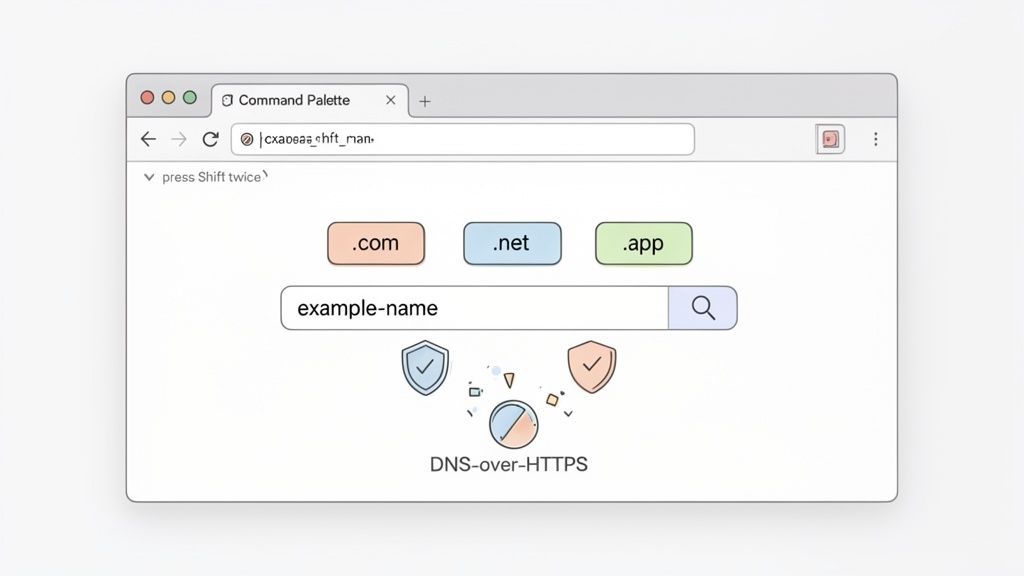
ስርዓቱ ሁሉ ከ ትዕዛዝ ፓሌት በሚጠራው ማዕከላዊ ማዕከል ጋር ተገንብቧል። ለመድረስ የሚችሉት ሁልጊዜ ሁለተኛ ዘይቤ ለመሆን ተነድፏል።
ተወዳጅ መንገዶች አሉት፡
- Shift ቁልፍ ሁለት ጊዜ በፍጥነት ይንኩ (ይህ የእኔ የምወደው ነው፣ ፈጣንና በተለይ ተግባራዊ ነው)፡
- የቃል ሰሌዳ ማህበረሰብ ይጠቀሙ ( ለቪንዶውዝ/ሊ눅ስ ተጠቃሚዎች
Ctrl+Shift+Pወይም ለማክ ተጠቃሚዎችCmd+Shift+P)፡ - የመሳርያ መሣሪያ መrale ላይ ይጫኑ ( በቃ拉萨ር መሣሪያ መrale ላይ ያለውን ShiftShift ማራ SimpleName እንዲሁ ይሠራል)፡
መረጃው ከተከፈተ በኋላ፣ "ዶሜን" ይፃፉ፣ ለመፈተሽ ዘዴው በቀጥታ ይታያል። ይህ በቃል ሰሌዳ ላይ የተመሰረተ መንገድ ከመመዝጋቢ የመረብ ቦታ የመነጠቅ ጊዜ ከፈጣን ነው፡
የቀረበው ገጽ ቅልጥም ያለ እና ወዲያውኑ የሚያሳይ ምስጢር አለው፡
እንደ እርስዎ የሚያዩት ውጤቶች ወዲያውኑ ናቸው። ለፍለጋ ቃልዎ TLD እንዴት ያሉ ተቀባይነት እንዳላቸው እና ሌሎች ቀድመው ያስቀመጡት እንደሆነ ወዲያውኑ ያውቃሉ.
በብራውዘር ውስጥ ያለው ምርመራ ለምን በጣም ጥሩ ነው
እውነተኛው ኃይል ከፍጣም ፍጥነት ባሻገር በ区域 ውስጥ መቆም ላይ ነው።
ፍለጋ ታሪክዎ ድርስት እንደሆነ ይቆያል ማለት ዕቃው ሁሉንም ጥያቄዎች DNS-over-HTTPS (DoH) ይጠቀማል። ይህ ፍለጋ መረጃዎ ከ ሦስተኛ ወገኖች ማስመዝገብ እንዳይከለከል ይረዳል— እንዲህ አይነት የመረጥ ሀብት አድርጎ ሊያውቁ ይችላሉ።
ሙሉ ሂደቱን በነጭ ብራውዘር ቅይጽ ውስጥ እንደሚያቆሙ፣ ቦታ ለመቀየር ያለውን ድብርት ያስቀርራሉ። ፈጠራ ፈጐላዎ በሌላ ድር ጣቢያ ላይ መቃኘት፣ ማስታወቂያዎችን በማስቀረት፣ ወይም ትክክል ያልሆኑ ሀብቶችን በማጣራት አይቋርጥም።
መሣሪያው የእርስዎን ሀሳብ በፍጥነት ከ100 በላይ ቆንጆ ቦታ ስም መርጫዎች (Top-Level Domains (TLDs)) ጋር ይመዝናል፣ እርስዎ በአንድ ዕይታ ሙሉ መረጽ ይሰጥዎታል። ለ(.com) ስም የመጀመሪያ ምርጫ በግልጽ ባይኖር ሲሆን ጥሩ አማራጮችን ለማግኘት ይህ ተስ貓ሚ ነው። ለפיתוח ሰራተኞች፣ ገበሮችና መስራቾች ይህ ወዲያውኑ መልስ ወርቅ ነው።
እንደ እነዚህ መሣሪያዎች የዕለት ተዕለት ሥራዎን እንዴት ሊመቻች ይችላሉ ብለው ከፍተኛ ፍላጎት ካላችሁ፣ ብራውዘር ቅጥያ (browser extension) በይዘት ማበረታታት ላይ ያሉ ሌሎችን ጽሑፎቻችን ይመልከቱ።
ቦታ ስም መፈተሽ ባለፉት ዘመናት__
ከብራውዘርዎ በቀጥታ ቦታ ስም መፈተሽ ስለሚችሉ በፊት ሂደቱ ያልተቀኘ ጉርምስ ነበር። እነዚህ ባህላዊ ዘመනዳት ዛሬም አሉ፣ እርስዎም መረዳታቸው ፈጣን እና በቀጥታ መሣሪያዎች ለምን በድጋፍ እንደምንፈጠሩ ያሳያል። ይህ ፍጥነት፣ ግላዊነትና ተጠቃሚነት ስለ እመኑ ታሪክ ነው።
ተጓዦች መጀመሪያ ማስመረቻቸው ሁሌም የመዝገቧ ድር ጣቢያ በታላላቅ የፍላጎት ምልክት ነው—GoDaddy ወይም Namecheapን ልንመስል። ሀሳብ አግኝተዋል፣ በጥርጉሮ ጻፉት፣ እና የገባን እንመርጠዋለን።
ቀላል ይመስላል፣ ነገር ግን ከኋላ የሚያ追随 አስቸኳይ ነገሮች አሉት። የተመዝጋቢዎች ሥራ ሻጮችን መሆን ሲሆን፣ የድሜይን ብቻ ሳይሆን ሌሎችንም ለመขาย ይፈልጋሉ። የ"ፈልግ" የሚለውን በመንካት በፍጥነት ብሎም ለንድ ሰዓት የወብ ማስተናግጃ፣ የኢሜይል ፕላኖች፣ የግላዊነት መሰረታዊ ተጨማሪዎች እና ከፍተኛ ደረጃ ያላቸው ሌሎች የድሜይን ስሞች (.net, .org, .co) ለትምህርት ቤት በማይታሰብ መጠን ይነሳቸዋል። ይህ ለመሬታቸው ጥሩ ሲሆን፣ ፈጣን አዎ ወይም አይደለ ብሎ ስለሚያስፈልግህ ብዙ ሰው ነው።
ከመረረት ጋር ዝርዝሮችን ያስሱ
የተመዝጋቢው ድር አብዛኛውን ጊዜ ስምን ድሜይን "ተያዝቷል" ብሎ ብቻ ሲነግርህ፣ በንግሥታዊው ዘመን በቀጥታ የሚከተለው እርምጃ WOIS lookup ነው። የWOIS ስርዓት በመሠረቱ ለኢንተርኔት የሕዝብ ቅን殛 ስለሆነ፣ ለድሜይን ስሞች ሁሉ የምዝገባ መረጃ ያቀርባል። በWOIS ድር ላይ ፈጥኖ ሲፈልግ ድሜይን አንዱ ይገኛል ወይስ አይገኘም ብሎ ሳይሆን ብዙ ነገር ያሳያል.
ጥሩ መረጃዎችን ማግኘት ችላለህ እንደ::
- የምዝገባ ቀን: ድሜይን በመጀመሪያ ሲይዝ።
- የማጠቃለያ ቀን: የአሁኑ ምዝገባ የሚያበቃበት ትክክለኛው ቀን።
- የተመዝጋቢ መረጃ: የባለቤቱ የግንኙነት መረጃ፣ ነገር ግን ብዙ ጊዜ በግልጽ የ פרטיות ጋርን ማስቀማት ነው።
ይህ መረጃ ብሩህ ሊሆን ይችላል። የማብቀኛ ቀን ከጥቂት ሳምንታት በላይ ብቻ ከሆነ፣ ባለቤቱ ማልቀቅን ሲረሳ በኋላ ለመግዛት ዕድል ሊኖርዎ ይችላል። ነገር ግን፣ ለእያንዳንዱ የድומיን ሀሳብ WHOIS ማስታወሻ ማድረግ ጥረት የሚፈልግ፣ በእጅ የሚሠራ ሂደት ነው። ከፈጠራ መሣሪያ ጋር ሲነጻጸር ከ detectives መሣሪያ በጣም የሚመለከተን ነው።
ይህን አMOTE መር電子郵件ልን ያለው ትክክለኛው ችግር የ ችግር ነው። እያንዳንዱ ሀሳብ ለሌላ ድር ጣቢያ መዝለል፣ ተንስቶችን ማክበር፣ ከተለያዩ ቦታዎች መረጃ ማሰረስ ነው። ይህ ፍጥነትዎን ማፍሰስ በተግባር ዘይቤ ነው።
የአOTE መሣሪያዎችን ችግር
ይህን ባህላዊ መንገዶች ከዘመናዊ መሣሪያዎች ጋር ስታነጻጽር፣ ልዩነቱ ሌሊት እና ቀን ነው። የተመዝጋቢዎች እና WHOIS ማስታወሻዎች የድומיን ዓለም መሠረት ናቸው፣ ነገር ግን ዛሬ የሚሆነውን ፈጣን ማሰረታት ለማድረግ አልተሠራም። የ ትምህርት ጥያቄውም አለ — ብዙዎች በተወሰኑ ድር ጣቢያዎች ላይ ጥሩ ድומיን ስፈልጉ ሌሎችን በመስከረም ሊያስወግዱ ይችላሉ።
ስለዚህም እንደ ShiftShift Extensions' Domain Checker ያሉ መሣሪያዎች ለምንድን እንደመሳለቅ ይሰማኛል። ሙሉውን የመፈለጊያ ሂደት በአንድ ፍጥነት የሚሄድ ተግባር፣ በሁሌም ቦታዎ ያምጣል። ዝርዝር መጠየቅ፣ በእጅ መፈለግ የለም። ሐሳቦችዎን በመቻል ሳያቁም የሚፈልጋቸውን ቀጥነት እና ፍጥነት ማንበብ ይችላሉ። ከብዙ ትሮች፣ ከብዙ ገጾች ሥራ ወደ አንድ ጠቅታ መሄድ፣ ለማንኛውም ሰው የሥራ ሂደት አስደናቂ ግስጋሴ ነው።
ፍጹም የመስመር ልዩ ለማስቀረት የላመሰ ስልቶች
ምንም እንኳን፣ ለልበ ማሰሪያዎ የተሻለ የመስመር ልዩ ፈለገህ ነገር ግን "ተይዟል" አለ ብለህ እንደማጠቃለያ ተመልሶ እንደመጣ ምናምን ነው። አሁንም እረፍት አታድርግም። ቀላል "ተገኝቷል" ወይም "ተይዟል" የተለመደ ውጤት ብዙ ጊዜ ትሬላ የተጀመረው ይሆናል፣ ማለትም መጨረሻው አይደለም። የመጀመሪያ ምርጫህ ያረፈ ሲሆን ወይም ውስን የሆነ ብራንዲንግ ፕሮጀክት ሲሄድህ፣ እንደ ቀላል ግዛዦ በተቀረ ወይም እንደ ስтрататегist አድርገህ መጠንቀቅ ጊዜ ነው።
ከዚህ በላይ እንደሚሄዱ ቢሆንም፣ ወሳኝ የቤት ስራ አለ፡ ት래ማርኽን መፈተሽ። ህዝብ በቃጣ ስሜታቸው ይህን እርምጃ ይዘንብ ይሆናል፣ ግን ያልተስማማ ነው። ስም ጋር ፍቅር ጋልብ ለመቅረት፣ በኋላ ቤት ተሰር ወረጥ መልዕክት ለማግኘት የሚችሉ ሌንያ መጥፋት የሚችሉትን በመቀነስ ነው። በፍጥነት ያስሱ በ የአሜሪካ የተመዘገበ የልዩነት ባህሪ (USPTO) ማሰሻ—or your country's equivalent—is essential due diligence.
በአንደኛ ገበያ ላይ መንቀሳቀስ: የእርስዎ ዴማን ተይዟል ሲሉ ምን ማድረግ አለብዎት
ያለውን ፍጹም ማግኘት አልፎ በጣም የተለመደ ነው .com ተመዝግቦ ነገር ግን ወደ ንቁ ወብ ቦታ አይጠቃም። ይህ ለድስታ ማረፊያ ገበያ መመርመር ያለብዎ ምልክት ነው፣ ወዴት ቀደም ባለነበሩ ዎች ይገዛሉ እና ይሸጣሉ።
- ገበያዎች: እንደ Sedo ወይም Afternic ለዶሜን ስሞች የ ኤ bay እንደሆነ ይታያል። ባለቤቶች ዶሜኖቻቸውን ለ ሽያጭ ያስቀምጣሉ፣ ብዙ ጊዜም ከ «ቀላል ይግዙ» ዋጋ ጋር፣ ነገር ግን አንዳንድ ጊዜም በ አuctions ይሆናል።
- የኩረት ሰዓት ማስጠቂያ አገልግሎቶች፡ የውሂቢ ፍለጋ ተጠይቃ የሚፈልጉት ዲሮሜይን በቅርቡ ሊያልቅ እንደሚችል ከተጠቃመ፣ የኩረት ሰዓት ማስጠቂያ አገልግሎት መጠቀም ይችላሉ። እንደ SnapNames ወይም DropCatch ያሉ ተቋማት ዲሮሜይን ከሐዋሪ ወይም ከመብረጡ ጋር የተመለሰ ገና ከሕዝብ ቦታ ወዲያውኑ ለእርስዎ ለማስቀረት ይሞክራሉ።
ይህ ፎሎውቻር ከመጀመሪያው ጀምሮ መስፈርት የሚውሉ መንገዶችን ያሳያል።
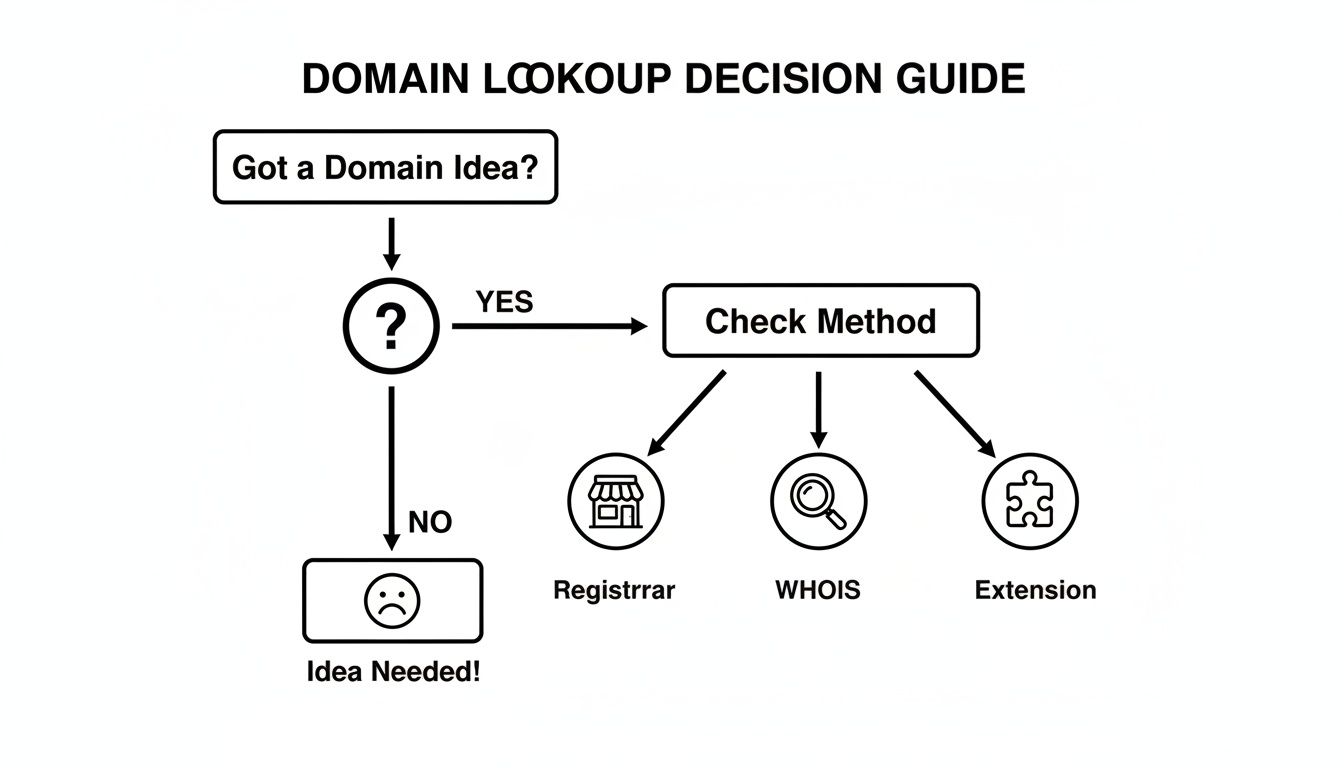
እንድትመለከቱ፣ የስም ሀሳብ ስላላችሁ፣ ፈጣን የተመዝጋቢ ፍለጋ፣ በቂ የሆነ የውሂቢ ቅጽበት ፍለጋ ወይም ወዲያውኑ ለመፈተን የ浏览器 ቅጥያ መጠቀም ይችላሉ።
ከተሞክሮ የሚመጣ በቃ ምክር፡ ጎብኝተኛ ገጹ ላይ የድምጽ ርዕስ ጠፍቶ ከሆነ ማለት በመረዳ ተወሰነ ነው ማለት አይደለም። እነዚህ ብዙ ጥቅም ያላቸው "ፕሪሚየም" የድምጽ ርዕስ ዋጋዎች ሊነጋገሩ ይችላሉ፣ በተለይም ድምጽ ርዕሱ ለአርም ጊዜ እንዳይ 판매 ሆኖ ከተገኘ። ትክክለኛ ስጥማት ማድረግ ለምንም አይጐምዉም::
በብዛት ማረጋገጫ ሰፋ ድርጅት ይሰርጉ
አዲስ ብራንድ ሲያሰቡ፣ አንድ ሀሳብ ብቻ የለዎትም—አርብቶ አስር ሁለት አርብቶ ማይዳ ወይም በርካታ ምናምን ይኖራቸዋል። እነዚህን በአንድ አንድ ማረጋገጫ ማድረግ የፈጠራ ጉንኝነትዎን ለመቋቋም በቃ መንገድ ነው።
ይህ ቦታ በብዛት የድምጽ ርዕስ ማረጋገጫዎች ደንበኛ ናቸው። ShiftShift Extensions ውስጥ የተሰራ መሳሪያ ያሉ መሳሪያዎች የስም ዝርዝርዎን በሙሉ አንድ ጊዜ ማለጠፍ ይችላሉ። ከዚያም የሚፈልጋቸውን ሁሉ በTLDs ላይ ዝግጁነታቸውን ይያያዛል፣ በትንሽ ጊዜ ግልጽ ምስል ይሰጣቸዋል::
በህብረት ሥራ እና በግል ስለ የክፍት ስም ምርምር፣ ስም መግዛት፣ የክፍል ስም ማስተካከያ ያሉ ሂደቶች - በቀጣይነት የሚጨፍር ገበያ ውስጥ እየተከናወኑ ነው። ቁጥሮች አያልፉም። እስከ 2025 ሁለተኛ ሩብ ድረስ የጠቅላላ የስም ምዝገቦች ወደ 371.7 ሚሊዮን በጎደና በደረሰ ሲሆን፣ በዓመት ላይ 2.6% መጨመር ተግ发布公告። እስከ ሦስተኛው ሩብ ድረስ ያህል ቁጥር ቀደም ቀደም ወደ 378.5 ሚሊዮን.
በእርግጥ የሚያሳይ ነገር ማለት አዲስ የሆኑ ዓለም አቀፍ የስም ዝርዝሮች (gTLDs) ውስጥ የተፈጥሮው አስደናቂ መጨመር ነው፣ ዋው! 21% በዓመት ላይ በልዩነት ከፍቷል። የቅርብ ጊዜውን የስም ዓለም ምን ያህል ተፅዕኖ እንደሆነ ለማየት ሙሉውን Verisign የኢንዱስትሪ ማውጫ ማንበብ ይችላሉ።
እነዚህን ከፍተኛ ዘዴዎች በመቆጣጠር፣ ሙሉ እንስሳት እየሰራዎ ነው። "ክፍት ነው?" ብቻ ሳይጠይቅ "ቂም ሳይቆይ" የሚለውን ከፍተኛ ኢነስት በማድረግ ለ愿景 ትክክለኛውን ዲጂታል አድራሻ የምትረውሩበት ላይ መሬት ማድረግ ይችላሉ።
ለ品牌 ትክክለኛውን TLD እንዴት መምረጥ
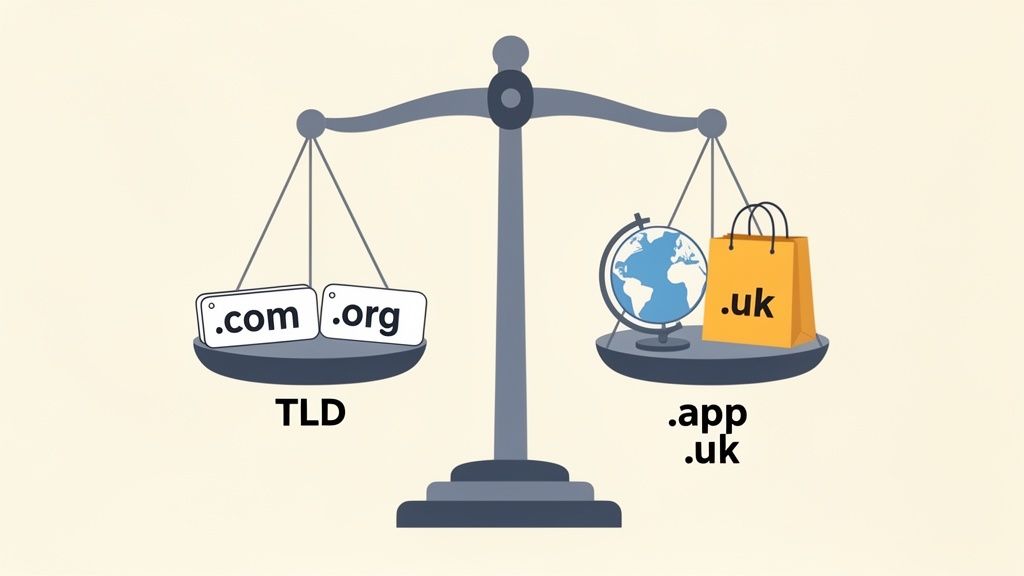
ዶሜን እናም በነጥብ በኋላ የሚመጣው ክፍል—ከፍተኛ ደረጃ የዶሜን (TLD)—የテክኒካል ዝርዝር በቻ የሆነ ነገር አይደለም። እርስዎ ማን እንደሆኑና ምን እንደሚሠሩ ለጎብኝተኞች ግልጽ ምልክት በመላክ ለብራንድዎ ወሳኝ አካል ነው። ትክክለኛውን አይ በመምረጥ ልዩ ጠቃሚ ሲሆን፣ ልዩ በሆነ .com ከመመረጥዎ በፊት ቀርቶ የቆየ ሲያገኙ ነው።
የዶሜኖች ዓለም እጅና አትልከው የሚያTestFixture ነው። እስከ 2025 መካከል ከዓለም ዙሪያ በምስል 762.4 ሚሊዮን የዶሜን መመዝጋቢያዎች አሉ። እንዲሁም .com እስከ ዛሬም በግልጽ ቀሪ 170 ሚሊዮን በጥቅም የሚያስተዳድር ሲሆን፣ አዳዲሶቹ ማዕከላዊ TLDs (ngTLDs) በፍጥነት እየበረጉ በ 21% እስከ 42 ሚሊዮን በላይ የተደረጉ ናቸው። ይህ ፍጠራ ከ1,250 የተለዩ ማስፋፊያዎች መረጫ ይሰጣል። ትክክለኛውን መጠን ለማየት የዶሜን መመዝጋቢያ ስታትስቲክስ ማለት ስለ ት的竞争ness እና የድርጊት ዕድል መረጃ ማቀባት ይችላሉ::
ቅርሶች TLDs አሁንም በመጠን ተመስጥሯቸው
እና ትክክል እንለምን፡ ለብዙ ንግዶች .com አሁንም ወርቅ መስፈርት ነው። ሰዎች የሚያውቁት፣ የሚመነቱት እና ልማት በፍላጎት በቃላቸው የሚይዙት ነው። አለም አቀፍ ጥቅም ባለው ብራንድ እየሰራ ወይም በዝግባ ገበያ ውስጥ ከሚወዳደር ከሆነ፣ .com ማግኘት የእርስዎ ቀዳሚ ተግባር መሆን አለበት። ሌሎች ማስፋፊያዎች አሁንም የሚፈልጉትን የምትጠቅም የአቅም መጠን ይሰጣል::
በፍጹም፣ ሌሎች ባህላዊ TLDs የራሳቸውን ተረጋግጧል ያሉ ሚና አላቸው፡
- .org: በፍጥነት ለማንሳት የሚችለው ያልተመሰረቱ ድርጅቶችን፣ ማቋቋሚያዎችን እና የማህበረሰብ ትምህርት ላይ ያተኮሩ ቁርጾችን ነው። ድልድይ መስራት እንጂ ግን ሥራ ብቻ መሆኑን ያመለክታል.
- .net: በመጀመሪያ ለአውታረ መረቦች አቅራቢያዎች ተመዝግቦ ነበር፣ አሁን ግን የ
.comቀጠራ ሲሆን በጣም የተለመደ ተለያይቷል። ግን ተመሳሳይ ክብር አያመጣም.
በአጠቃላይ መመሪያ ሆኖ፣ የዶሜይን ማቅረቢያ በሚፈትኑበት ጊዜ ሁልጊዜ በመጀመሪያ
.comለማረጋገጥ ይሞክሩ። እንዲያሳይ ማድረግ ተፎካካሪዎች እንዳያድርጉ የብ랜ድ ግራ ማለትን ይከላከላል እና ሳይበርሰርዎች አቀባበል ያለውን የትራፊክ ፍሬውን እንዳይዘርፉ ይከላከላል.
የተወሰነ እና ከሀገር ጋር የተያያዙ TLDs
ከክላሲኮች ባሻገር ሌሎች የሁለት ዓይነት TLDs እናገኛለን ሊሰጡን የሚችሉ የስተራር蟾ን ጎድና ሊሰጥዎ ይችላል። ምንኛ አንዳንድ ለፕሮጀክትዎ በተስፋፋ መልኩ ይስማማል የሚለውን ለመረዳት ታዳሚዎችዎን እና ዓላማዎችዎን መረዳት ይጠበቃል.
የሀገር ኮድ TLDs (ccTLDs)
ነዚህ ልዩ የሆኑ የሃገር አስመጫ ቅርጾች (.co.uk ለብሪታንያ እንደ .de ለጀርመን ነው የሚታወቀው)፡ የሃገር መግለጫ ቅርጾች (.co.uk) መጠቀም ለተጠቃሚዎችና ለግኝቶች አሰሳ ማስታወቂያ መሆኑን በአካባቢ ገበያ ላይ ትኩረት መስጠትህን ለማሳየት ጠንካራ መንገድ ነው። በንክ ሆቴል ቢዝነስ አማራጮች ቢኖሩህ፣ .com ሰፊ ከሆነ በመቋቋም በአካባቢ ግንኙነት በፍጥነት ይህንን ብሩህ ያደርገዋል።
አዲስ ዓለም አቀፍ ቅርጾች (ngTLDs)
ዚህ የብራንድን ስም ማድረግ ማይከል ዘዴ ነው፡ .app, .shop, .io እና .design ቅርጾች ስለ ቢዝነስ ማዕከላዊ ባህሪ በቀጥታ በቅርጹ ላይ ማቅረብ ይችላሉ። አዲስ የቴክኖሎጂ ጀማሪ ቢዝነስ ከ coolstartup.io የ .com ቅርጽ ጋር ሲነጻጸር ተጨማሪ ተስፋፋቂነት ሊሰጥ ይችላል። በተመሳሳይ ሁኔታ፣ የኢ-ኮሜርስ ብራንድ ወዲያውኑ ዓላማውን ከ .shop ወይም ከ .store ቅርጽ ጋር ሊያሳይ ይችላል። እነዚህ ngTLDs የሚያወቁ፣ የሚገልጹ ናቸው፣ ከሌሎች ልዩ አድርጎ ሊታዩህ ይችላሉ።
ስለ የክፍያ ቦታ ዝግጁነት ዋና ጥያቄዎችን መልስ
ፍጭት የሚለውን መሆን ሲፈልጉ ብዙ የተለመዱ ችግሮችና ጥያቄዎች ሁሌም ይሠራሉ። የሚፈልጉት ስም የተይዛ ሲሆን ወይም ተመስጦ የሚታይ ዴመይን ሳይኖር በድንገት ቢያጣ ሊቸበቸብ ይችላል። እነዚህን ተጨባጭ ሁኔታዎች እንመለከት ስለዚህ ልክ ምን እንደሚሆን ማወቅ ይችላሉ።
የምፈልጋቸው ሁሉ ዴመይኖች ከተይዙ ምን ማድረግ ይገባኛል?
እያንዳንዱ ስንት ኢንተርፕራይዘር የሚለውን ፍጭት በደንብ ያውቃል። ፍጹም ስም አለዎት ፣ ግን የምትፈትኑት ማንኛውም ቅርጽ ከተይዛ ሆኖ ይገኛል። የእርስዎን ብራንድ ሀሳብ አትጥሉት፤ የመተ新型冠ን በቅርጹ ብቻ ቀይሩት።
የመጀመሪያ ሥራዎ ረቀበሉት የከፍተኛ ደረጃ ስለሆኑ (TLDs) መሆን ነው። የ yourbrand.com ከመድረሱ በፊት የ yourbrand.co ወይም የ yourbrand.app ምንድን ነው? ያልተለመደ TLD ከURL በራስ ብቻ መነensa ያለ ፣ ዘመናዊ ፣ ቴክ ተመራጭ ኩባንያ መሆንዎን ያሳያል።
ስለ .com አሁንም ብቻ ከሆነ ፣ ወደ ስምዎ ቀላል ፣ አስፈላጊ ቃል መጨመር ይሞክሩ። ድርጅትዎ ምን ያደርጋል ይዩ። "ስታርላይት" ከተይዛ ሆነ ፣ ወደ እነዚህ መቀየር ይችላሉ፡
GetStarlight.comStarlightHQ.comStarlightOnline.com
እነዚህ አጭር ለውጦች ብዙ ጊዜ ያልጠበቁትን ብዛት ተስፋፋ ስሞች በመከፈት ይርሳሉ፤ በነጭ ነገር ግን የብራንድ ማንበብን አያብ tjejer
ለምን ዣይሮን የተዘጋ እንደሆነ ቢታይም የምን ማድረግ ይችላል?
ይህ በቀላሉ ከጠረጴት ሂደት ከፍተኛ ግራ የሚያመለከተው ክፍል ነው። ጥሩ ስም አገኘህ፣ ስ㎞ ተቀብሎ ነፃ ነው ይላል፤ ግን ለመግዛት ሲሞክር ተሟልቶ ቀደም ሲል ተመዝግቦ ነው የሚልህ በመሆኑ ተጠያቂው ይነግሃል። ይህ "ጠ bezpozn" ተገልጋይነት አጠቃላይ ለሁለት ዋና ምክንያቶች ይፈጠራል::
በመጀመሪያ፣ በመዝገብ መረጃ በመላው ዓለም በሚዘመን ወቅት ከፍተኛ ዕፅዋት አለ። ሰው የዛሬውን ዣይሮን ከመፈለɟህ ማንኛውም ጊዜ በቅንጦት ተመዝግቦ ቢኖር፣ ሌሎች መረጃ ባህሪያት ግን እስከ ዛሬ ድረስ አልተሻሻሉም::
ሁለተኛ፣ ዣይሮኑ በተባለው "መቀስከስ ጊዜ" ወይም "በመጠበቅ ላይ መሰረዝ" ሁኔታ ሊሆን ይችላል። ይህ ለቀደመው ባለቤት የጊዜው አብይቶ ዣይሮን ለመደመስ የሚሰጥ ጸረ-ኵራት ጊዜ (በተለይ 30-40 ቀናት) ነው። በትክክል ከተመዘገበ ቢሆንም፣ ለህዝብ ለመግዛት አይገባምም—ከሁለቱ አደራ捍 መካከል ነው::
በዚህ ምክንያት ብቻ እርስዎ የወዳችሁትን ስም አልቅሱ። በተለይም በውድድር ዘመን (redemption period) ከሆነ፣ ከአመት ጋር በአቅጣጫ ላይ ለመፈተሽ ለቀላል ሰዓት የቀን መቀመጫ ያስይዙ። እንደገና በሐብታማ አስተማማኝ መሆኑ ጊዜ አስቀጥረዋል።
የጋራ ስህተት ቅርጽ ከመመዝገብ ጋር የโดሜይኔሜን መመዝገብ ማድረግ ይሻላልን?
የእርስዎ በጀት ትንሽ ከሚዘልቅ ከሆነ ይህ በጣም ብሩህ የመከላከል ዘዴ ነው። ዋና የእርስዎን የመገናኛ መታወቂያ (primary domain) የጋራ ስህተት ቅርጽ ማስመዝገብ የተባለ ልምድ "defensive registration" ነው፣ እና ዋና ሥራው "typosquatters" እንዳይጨነቁ ለማድረግ ነው።
Typosquatters ከእርስዎ ድር ጣቢያ ጋር ከሁለት ወይም አንድ ፊደል ብቻ የሚለዩ የመገኛ መታወቂያዎችን በመመዝገብ የእርስዎን ተጓዦች የተጠጡ ፊደላት ለመያዝ ወይም ተጻዦችን ማ欺骗 (欺骗) ለማድረግ ይሞክራሉ። ለምሳሌ፣ እርስዎ የምታስправляት AwesomeBrand.com ከሆነ፣ በድጋሜ AwesomBrand.com ማስመዝገብ ብልጭታ ይሆናል። ይህን ዓይነት ለውጦች በቀላሉ ወደ ዋና ድር ጣቢያዎ መቀየር ይችላሉ፣ ጎብይቶችን እንዳይንቅሳቸው እና የእርስዎን ብራንድ ማስተካከያ እንዳይጎዳ ያረጋግጣል።
አዲሱን የመገኛ መታወቂያ በምን ዕድሜ ማስቀመጥ እንችላለን?
በሚቀዳቸውን ጠቅታችሁ ከጋራ ጊዜ፣ የድোሜን ስም ይህ ይዘት የእርስዎ ይሆናል። ነገር ግን ትንሽ አስቸኳይ አለበት፡ የድোሜን ስም ስርዓተዎች (DNS) በመላው ዓለም እንዲያዝ ያህል ጊዜ ይወስዳል። ይህን ሂደት ማስፋፋት ብሎ የሚጠራው ከጥቂት ደቂቃዎች እስከ 24-48 ሰዓታት.
የማHostException እና የኢሜይል አገልግሎት አቅም ወዲያውኑ ማስጀመር ይችላሉ፣ ነገር ግን ድோሜን በአለም ዙሪያ ያሉ ሰዎች አሁን በቃ ከድোሜንዎ ጋር ማድረግ እንደማይችሉ አያስደንቁም። በተግባር፣ ሰዎች መንገድ በጥቂት ሰዓታት ውስጥ እንደሚያስተላልፍ ያገኛሉ።
ክስተቱን ሳይጫን የሚቀጥለውን ትልቅ ሀሳብ ለመፈተን ዝግጁ ነዎት? ShiftShift Extensions ስብስብ በንዑስ መረጆች በ100 በላይ የሆኑ TLD መጠቀም እንዲችሉ ቶሎ የሚሰጥ የድோሜን ቻይከር ይጨምራል፣ ሁሉም በአንድ ቦታ ከመረጡ የአ.omgmand palette በመረጡ ውስጥ ነው። አሁን በ https://shiftshift.app ይሞክሩ.